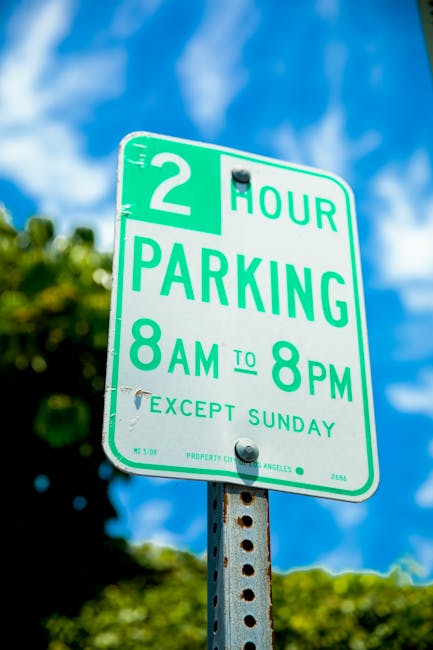
W5 parking permits for removal vans: Ealing Council rules
If you are moving in W5, the parking question can become the part that causes the most stress. The boxes are packed, the van is booked, someone has already lost the kettle, and then you realise the street may have permit bays, pay-and-display restrictions, or resident-only controls. That is where understanding W5 parking permits for removal vans: Ealing Council rules really matters. Get the parking wrong and a perfectly ordinary move can turn into delays, fines, or a very awkward conversation with the driver at the kerbside.
This guide breaks the topic down in plain English. You will see why parking permissions matter, how they usually work in practice, what to check before moving day, and how to avoid the common mistakes that trip people up. If you are planning a house move, a flat move, or a business relocation, the principles are similar: reduce risk, keep access clear, and make sure your removal van is not left circling the block at 8 a.m. on a Tuesday. Nobody wants that. Not really.
We will also cover practical next steps, a simple checklist, a comparison of parking approaches, and a realistic example of how a smooth move tends to be organised. If you are using a service such as home moves support, man and van help, or removal truck hire, parking planning should be part of the booking conversation from the start.
Table of Contents
- Why W5 parking permits for removal vans: Ealing Council rules Matters
- How W5 parking permits for removal vans: Ealing Council rules Works
- Key Benefits and Practical Advantages
- Who This Is For and When It Makes Sense
- Step-by-Step Guidance
- Expert Tips for Better Results
- Common Mistakes to Avoid
- Tools, Resources and Recommendations
- Law, Compliance, Standards, or Best Practice
- Options, Methods, or Comparison Table
- Case Study or Real-World Example
- Practical Checklist
- Conclusion
- Frequently Asked Questions
Why W5 parking permits for removal vans: Ealing Council rules Matters
In W5, parking is not just a convenience issue. It can shape the entire moving day. Some streets are straightforward, but many are not. You may be dealing with controlled parking zones, resident bays, loading restrictions, width limits, timed waiting rules, or pavement/kerb access that makes unloading slower than expected. For a removal van, those small details matter a lot because the vehicle is larger, slower to manoeuvre, and far less forgiving than a car.
The key point is simple: a removal team needs safe, legal, practical access to your property. If they cannot stop close enough, the job takes longer and the risk of damage goes up. That can mean more carrying distance, more fatigue, more chance of something being knocked against a bannister or dropped on a wet pavement. And if the van gets ticketed while loading, you may lose time and money for something that was avoidable.
Parking also affects neighbours and traffic flow. A van left awkwardly across a narrow W5 road can block residents, frustrate other drivers, and make everyone's morning worse. Local parking rules exist for a reason, even if they feel fiddly on moving day. To be fair, most councils are not trying to make life difficult; they are trying to balance access, safety, and fairness in busy residential streets.
If you are moving from a terraced house, a converted flat, or a commercial unit with limited frontage, it is worth treating parking as a planning task rather than an afterthought. The best moves are usually the boringly organised ones. A little dull, maybe. But wonderfully calm when the boxes start coming down the stairs.
How W5 parking permits for removal vans: Ealing Council rules Works
Parking arrangements for removal vans in W5 usually depend on the exact street, the type of restriction, and the length of time the vehicle needs to stay outside. In practice, there are a few common scenarios.
1. The street has normal unrestricted parking
This is the easy version. If the van can park safely and legally without blocking access or crossing any restriction, you may not need any special permission. Even then, it is sensible to check if there are school keep-clear markings, yellow lines, or times when stopping is not allowed. A quick assumption can still lead to a fine. Parking signs are not exactly known for being warm and welcoming reading material, but they do matter.
2. The street is in a controlled parking area
Many parts of W5 fall within controlled parking arrangements. That can mean resident bays, visitor bays, permit bays, or timed restrictions. A removal van may need temporary permission to stop, load, unload, or occupy a bay for the duration of the move. Sometimes a formal parking suspension or dispensation is needed. Sometimes the vehicle can use loading provisions. The exact approach depends on the location and the council's current procedures, so it is important to check rather than guess.
3. The van needs to use a bay or restricted space
If your moving vehicle will be in a bay that is normally reserved, time-limited, or permit-only, you may need to arrange permission in advance. The goal is to avoid a situation where the van parks legally for a few minutes, then becomes illegal because the loading overran. That is a classic moving-day headache. The driver is doing their best, boxes are moving faster than expected, and suddenly time is not on your side.
4. The move is large, awkward, or commercial
Larger properties, office relocations, and furniture-heavy jobs often need more careful parking arrangements because the van may need extended access and repeated loading cycles. In those cases, services like commercial moves or office relocation services are much easier to coordinate when parking and loading are planned as one job, not two separate ones.
One useful way to think about it: if the van needs to stand still long enough for it to become inconvenient, you probably need to check parking rules. Simple as that.
Key Benefits and Practical Advantages
Getting the parking side right is not glamorous, but it pays off in several very concrete ways.
- Less delay: the van can park where it is actually needed, so the crew spends more time moving and less time searching for a space.
- Lower risk of enforcement issues: proper planning reduces the chance of penalty notices or complaints from neighbours.
- Safer handling: shorter carrying distances usually mean less strain on staff and fewer opportunities for damage.
- Better scheduling: once the parking plan is clear, the moving team can plan loading order and arrival windows more accurately.
- Less stress for you: there is something oddly reassuring about seeing the van pull up exactly where it should. Small victory, but a real one.
There is another benefit people overlook. Good parking planning often makes the whole move feel more professional. The driver knows where to stop, the team knows which entrance to use, and the customer is not standing in the road waving apologetically at passing cars. That may sound minor, but on moving day the mood of the operation matters.
Expert summary: In W5, parking arrangements are part of removal planning, not a separate admin task. If the van cannot legally stop close to the property, the move becomes slower, riskier, and more expensive in practical terms, even before you factor in enforcement risk.
Who This Is For and When It Makes Sense
This topic is relevant to a surprisingly wide group of people. If any of the situations below sound familiar, you should think about parking permissions early.
- Home movers in W5: tenants, first-time buyers, landlords arranging an end-of-tenancy move, or families moving between houses.
- People moving from flats: especially where access is tight, there is no driveway, or the loading area is shared.
- Commercial customers: offices, studios, clinics, or small businesses relocating equipment or stock.
- People arranging a one-off furniture collection: if the van needs to stop in a restricted street for loading.
- Anyone using a larger vehicle: a removal truck, Luton van, or box van is harder to position than a standard car.
It also makes sense for people who are not doing the move themselves. If you have booked a team for house removalists or a flexible man with van service, parking is still your responsibility to clarify unless the provider has explicitly taken it on. That distinction matters. A lot. People often assume the removers will sort everything, and sometimes they will help, but you should never leave it to assumptions.
For small moves, a short stop may be enough. For larger or more complicated moves, the rules become more important. If the van is in and out within a few minutes, you may only need a straightforward stopping arrangement. If it is going to sit outside while several trips are made, the chance of needing a formal parking solution rises quickly.
Step-by-Step Guidance
Here is a practical way to handle W5 parking for a removal van without tying yourself in knots.
- Check the street and property layout early. Look at where the van could realistically stop. Is there space for a large vehicle to park without blocking the road? Is there a safe route from van to front door?
- Read the parking signs on the street. Do not rely on memory. Restrictions can change by time of day, day of week, or bay type. If you are unsure, take a photo of the signs and note the time.
- Measure the practical loading distance. Even a short extra walk becomes tiring when you are carrying sofa parts, boxes, and appliances. If there is no nearby stopping place, plan for the extra distance.
- Ask the removals provider what vehicle they are bringing. A smaller van and a larger removal truck have different space needs. If you are booking moving truck support, the parking question needs an even earlier check.
- Contact the council process in advance if permission may be needed. Because procedures can vary, do not leave this until the night before. That is not a fun surprise.
- Share the final plan with everyone involved. Tell the driver where to park, where to enter, and what the access restrictions are. If there is a concierge, porter, or building manager, include them too.
- Build in a margin. Give yourself a bit of extra time for traffic, loading delays, and awkward furniture. Moving days rarely run exactly to the minute.
A useful trick: walk through the move in your head as if you were carrying the largest item first. If the route feels awkward, it probably is awkward. You will notice this particularly in W5 streets where on-street parking is tight and every metre matters.
Expert Tips for Better Results
A few small habits make the parking side of a move much easier.
Book the parking conversation before the booking is final
It is better to ask about parking before you commit than to discover the van has nowhere legal to stand on the day. A quick early question saves a much longer panic later.
Take photos of the street and frontage
Photos help you explain the setup clearly. They also help the moving team judge whether the van can reverse, whether a loading bay is usable, and whether the footpath is wide enough for trolleys and crates. The picture often tells the story better than a paragraph of text.
Keep the loading route clear
Bins, plant pots, bikes, and random bits of hallway furniture have a habit of appearing right when you do not want them. Move them in advance. It sounds obvious, but it is the kind of obvious thing people only remember after the first box has scraped a chair leg.
Plan for weather
Wet pavements, drizzle, and slippery steps are part of the British moving day experience. If the van is parked a little further away, the weather adds time and risk. Even a dry morning can turn damp by lunchtime. London likes to keep you guessing.
Be realistic about timing
If your building has narrow stairs or limited lift access, a tight parking window may not be enough. Allow room for the awkward pieces: mattresses, wardrobes, desks, and the one box nobody labels properly.
And yes, label that mystery box. Future you will be grateful, probably after some mild swearing and a hunt for the phone chargers.
Common Mistakes to Avoid
These are the errors that come up most often in local moves.
- Assuming a removal van can stop anywhere: large vehicles are subject to the same restrictions as everyone else, and sometimes more.
- Leaving parking arrangements to the last minute: this is where stress turns into actual cost.
- Ignoring loading restrictions: even a brief stop can become a problem if the bay or street is not suitable.
- Forgetting to check the size of the vehicle: a smaller van may fit where a larger truck cannot.
- Not telling neighbours or building management: especially in shared access blocks or narrow roads, a little warning can prevent friction.
- Failing to match the vehicle to the job: a cramped van may mean multiple trips, which sounds cheaper until the day runs long.
One subtle mistake is underestimating how long hand-carrying takes. People often think, "It is only a few metres." Then the reality arrives. A sofa does not care that the walk is short. It still needs turning, lifting, and maybe an extra pair of hands. That is why parking and access are part of the practical budget, not just the transport budget.
Tools, Resources and Recommendations
You do not need a huge toolkit to manage this properly, but a few simple things help.
- Phone camera: take pictures of signs, kerb space, bay markings, and the front of the property.
- Written notes: keep the access plan, arrival time, and any instructions in one place.
- Floor plan or room list: handy if you are moving from a flat or office and want the unloading order to make sense.
- Contact details for building management: if access gates, intercoms, or loading doors are involved.
- Service details from your mover: if you are booking packing and unpacking services, the team can often work faster if access and unloading are organised cleanly from the start.
If you are moving a few bulky items rather than a whole household, a service like furniture pick up can be a sensible fit. The same parking logic still applies, though maybe on a slightly smaller scale. A single sofa can be just as awkward on a tight road as a full van, honestly.
For customers who want to understand the company behind the service, the about us page is useful background. And if you want to check booking details, terms, or data handling, the relevant pages are available too: terms and conditions and privacy policy.
Law, Compliance, Standards, or Best Practice
Parking for removal vans sits at the intersection of local parking controls, road safety, and practical moving logistics. While the exact council process can vary by street and by restriction type, the safe rule is straightforward: do not assume a vehicle may stop legally just because it is only loading. The fact that you are moving house does not automatically override parking restrictions.
Good practice usually means checking the street signs, understanding whether a bay suspension or other permission may be needed, and making sure the vehicle does not cause an obstruction. If a loading area is available, it should still be used carefully and only within the relevant conditions. If a permit or approval process is required, apply early enough to avoid a last-minute rush.
It is also worth remembering that duty of care matters. Movers should park responsibly, and customers should provide accurate information about access. If a narrow street, time-restricted bay, or shared forecourt is involved, being clear upfront protects everyone. That is the standard sensible people follow, even if the paperwork feels a bit tedious.
One practical compliance point is that the person arranging the move should confirm who is responsible for obtaining any necessary parking permission. Sometimes the removal company handles it as part of the service; sometimes the customer does. Do not leave that ambiguous. Ambiguity is where problems breed.
Options, Methods, or Comparison Table
There are usually a few ways to handle parking for a removal van in W5. The right option depends on the street, the size of the vehicle, and how much loading time you need.
| Parking approach | Best for | Advantages | Drawbacks |
|---|---|---|---|
| Unrestricted street parking | Simple moves in low-pressure streets | Fast, low admin, no special arrangement in many cases | Not available everywhere; still need to check signs and safety |
| Temporary loading space or bay use | Moves needing close access but limited standing time | Convenient and practical if allowed | Time pressure can be tight if loading takes longer than expected |
| Permit, dispensation, or suspension arrangement | Busy streets, restricted bays, larger vehicles | More certainty and less chance of enforcement issues | May require advance planning and more admin |
| Off-street access, driveway, or forecourt | Properties with private loading access | Usually the easiest and safest option | Not all W5 properties have this, and access can still be narrow |
As a rule of thumb, the more awkward the street, the earlier you should start planning. If you already know your vehicle will be large, or your property has no off-street space, it is sensible to treat parking as a core part of the move rather than a side issue. That kind of planning pays for itself in calm, which is underrated.
Case Study or Real-World Example
Imagine a family moving from a first-floor flat in W5 on a fairly tight residential street. There is no driveway, the building entrance is set back slightly, and the nearest legal parking is a mix of resident bays and timed restrictions. They have booked a removal van for mid-morning on a weekday.
At first, they assume the van will just "find somewhere nearby." That is the kind of plan that sounds fine until the van actually arrives. After a quick look at the street layout, it becomes clear that stopping too far away would mean carrying wardrobes and boxes a long distance, through a narrow path, past parked cars and a few uneven paving stones. Not ideal.
So they change tack. They check the parking conditions early, confirm the type of vehicle being used, and make sure the move has an agreed loading point. The driver is briefed before arrival. The front hallway is cleared the night before. Wheelie bins are moved. One person stays by the door to keep the route open. The move still takes effort - moving always does - but it runs in a way that feels orderly rather than chaotic.
That is the real lesson. Good parking planning does not remove the hard work of moving. It removes the unnecessary friction around it. And that can make the difference between a day that feels manageable and one that feels like a minor endurance sport.
Practical Checklist
Use this checklist before moving day if you are dealing with W5 parking for a removal van.
- Confirm the exact moving address and entrance point.
- Check all street signs near the property, not just the closest one.
- Identify whether the van needs to stop in a bay, loading area, or unrestricted space.
- Confirm the size and type of vehicle with the mover.
- Ask who is responsible for any parking permission or local arrangements.
- Make sure the route from van to front door is clear of clutter.
- Warn neighbours or building management if shared access might be affected.
- Allow extra time for loading, stairs, lift access, and traffic.
- Take photos of any signs or access points that might be useful later.
- Keep a phone number handy for the driver on the day.
Quick takeaway: if your street is even slightly tricky, sort parking before the boxes come down. That one decision can save a lot of time and a fair bit of stress.
If you are planning a local move and want help with the vehicle side of things, the most sensible next step is to speak with a team that understands both access and timing. A proper discussion at the start is worth far more than a rushed fix on moving morning.
Get a free quote today and see how much you can save.
Conclusion
W5 parking permits and parking rules for removal vans are one of those things that seem minor right up until the day they become major. Once you have a van, a narrow street, a loading window, and a set of boxes waiting on the pavement, the details suddenly matter a great deal. The good news is that the problem is very manageable when you plan early, check the restrictions properly, and keep communication clear.
Whether you are moving a flat, a family home, or a business premises, the safest approach is the same: confirm the parking plan, understand the vehicle size, and make sure the move has room to breathe. That little bit of discipline makes the whole day feel easier. Not perfect. Just easier. And on moving day, easier is a win.
When the van is parked where it should be and the first box is on the ground without drama, you feel it straight away. The day has started well. Keep that feeling going.
Frequently Asked Questions
Do I need a permit for a removal van in W5?
Sometimes, yes, but not always. It depends on the street restrictions, the type of bay or parking zone, and how long the van needs to stop. If there are controlled bays or loading limits, you may need permission or an alternative arrangement. Always check the specific street first.
Who is responsible for arranging W5 parking permissions?
It depends on the service agreement. In some cases the mover handles parking planning; in others the customer must arrange it. The important thing is to confirm responsibility early so nothing gets left hanging on the day.
Can a removal van stop on yellow lines to load?
Not automatically. Loading exemptions, if available, can be limited and depend on the exact location and restriction. You should not assume a brief stop is allowed just because you are moving. Check the sign and the local rules for that street.
What happens if the van gets a parking ticket during the move?
That can create delay and extra cost, and it is usually avoidable with better planning. If the van is parked in the wrong place or outside the permitted time, enforcement may still apply. That is why access and parking need attention before arrival.
How early should I sort out parking for a move in W5?
As early as possible. If your street is simple, you may not need formal permission, but you should still check in advance. If the road is busy or restricted, start planning several days ahead so there is room to deal with any extra steps.
Do smaller vans need the same parking checks as larger trucks?
Yes, though the level of risk is different. A smaller van may fit more easily, but it still must obey the road restrictions. Larger vehicles simply make the consequences more obvious because they are harder to position and more likely to obstruct access.
Is roadside loading always the best option?
No. Sometimes a driveway, forecourt, or private access point is far better. Roadside loading can work well, but only if the vehicle can stop legally and safely without causing problems for traffic or pedestrians.
What should I tell the removal company before moving day?
Tell them the exact address, parking restrictions, loading point, access issues, and anything awkward about the route. If there is a tight turn, gate, steep step, or resident-only bay, mention it. Clear information usually means a smoother move.
Do I need to worry about parking for a single furniture collection?
Yes, if the vehicle still needs to stop in a restricted area. Even a single sofa or bed can be affected by local parking controls. Services like furniture collection still need proper access planning, especially in busy W5 streets.
What is the biggest mistake people make with removal van parking?
Leaving it too late. People often sort the boxes, the keys, the cleaners, and the lift booking, then assume parking will sort itself. It rarely does. The parking side should be handled at the same time as the rest of the move.
Can an office move in W5 use the same parking approach as a house move?
Sometimes, but not always. Office moves often involve more equipment, more vehicles, and a tighter schedule, so parking planning can be more demanding. If you are relocating a business, it is sensible to plan access with extra care and allow for a bigger unloading footprint.
Where can I get help with planning a move that includes parking and access issues?
Look for a mover that understands access planning as part of the service, not just transport. If you want to see the wider range of moving support available, start with the service pages and speak to the team early. A brief conversation upfront can prevent a messy moving morning later on.