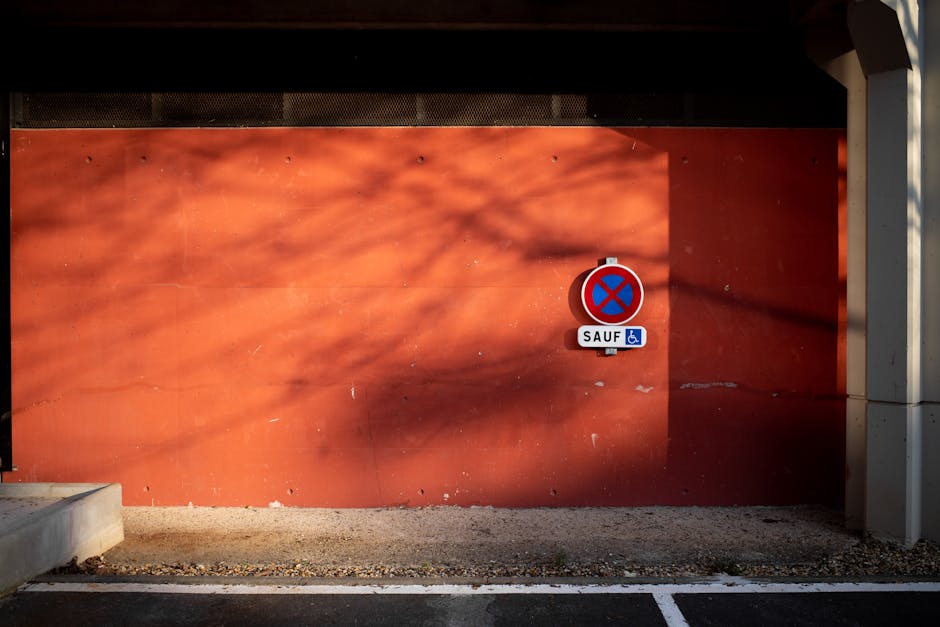
Suspending parking bays in Ealing: permit & fees guide
If you are planning a move, a delivery, or a short-term site visit, parking can become the part everyone forgets until the last minute. Then the van arrives, the street is busy, and you realise there is nowhere sensible to load or unload. That is where suspending parking bays in Ealing comes in. This guide explains the permit process, the kind of fees you may face, and the practical steps that make the whole thing far less stressful.
Truth be told, parking suspensions are one of those small admin tasks that can save a surprisingly big headache. They help create space for removals, trades, furniture pick-ups, office relocations, or even a bulky home clearance. Done properly, they reduce delays, frustration, and that awkward moment where a driver is circling the street while everyone waits by the front door.
In this article, we will walk through how the process usually works, who needs it, what to watch out for, and how to plan around it. You will also find a checklist, a comparison table, and a practical example to help make the idea feel much more concrete.
- Why suspending parking bays in Ealing matters
- How the permit and fees process works
- Key benefits and practical advantages
- Who this is for and when it makes sense
- Step-by-step guidance
- Expert tips for better results
- Common mistakes to avoid
- Tools, resources and recommendations
- Law, compliance, standards, or best practice
- Options, methods, or comparison table
- Case study or real-world example
- Practical checklist
- Conclusion
- Frequently asked questions
Why Suspending parking bays in Ealing: permit & fees guide Matters
Parking bay suspension is about reserving a section of street parking so it cannot be used by ordinary vehicles for a set period. In practical terms, it gives you room to park a removals truck, load furniture safely, or keep a work vehicle close to the property. On a busy Ealing road, that can be the difference between a smooth morning and a messy one.
This matters because many local streets are tight. Cars sit bumper-to-bumper, corners are awkward, and a large vehicle can block traffic if it has to stop in the wrong spot. If you are organising a home move, an office relocation, or even a one-off bulky item collection, the ability to reserve space is often worth the admin.
It also matters from a customer experience point of view. If you are booking help such as man and van support or removal truck hire, the crew can work faster when they are not playing parking roulette. Less walking, fewer delays, fewer awkward apologies to neighbours. Everyone breathes easier.
And let's face it, no one wants a long day of moving to start with a parking dispute. Not ideal. Not even close.
How Suspending parking bays in Ealing: permit & fees guide Works
The basic idea is straightforward: you request temporary suspension of one or more parking bays for a specific date, time, and location. If the request is approved, the council places restrictions on the bay so other motorists should not park there during the suspended period.
The process usually involves a few moving parts:
- identifying the exact road, bay, or loading area you need
- confirming the date and time window
- submitting the application in advance
- paying the relevant fee
- arranging appropriate signs or notices if required by the council process
In many cases, the council will want enough notice to review your request and arrange the suspension. That notice period can vary, so do not leave it until the week before unless you enjoy unnecessary stress. Some people do, apparently, but I would not recommend it.
The fees are usually not just one single figure. There may be an application charge, an administration element, and sometimes separate charges for the suspension period itself or for signs and traffic management materials. The exact structure can change, so the safest approach is to budget conservatively and confirm the current amount before relying on an estimate.
If your move involves larger items, it can help to plan the parking suspension alongside other services such as home moves or house removalists. When the access plan matches the vehicle plan, the day runs much more cleanly.
Key Benefits and Practical Advantages
People usually think of parking suspensions as a bureaucratic hassle. To be fair, they do involve paperwork. But the upside is real, especially in a London borough where kerb space is precious.
- Better access for large vehicles. A removals lorry or delivery van can park closer to the property, which reduces carrying distance and time.
- Safer loading and unloading. Fewer trips across the road means less lifting fatigue and less risk of bumping into traffic or pedestrians.
- Less time pressure. If the vehicle can stop right outside, the crew can focus on the job instead of hunting for space.
- Cleaner coordination with contractors. The electrician, installer, or furniture team can work to a known access window.
- Fewer delays from local parking pressure. In dense residential streets, a clear bay can save half an hour without trying very hard.
A small but important advantage is peace of mind. That sounds soft, but on move day it matters. When the van is already arranged and the road space is sorted, you can concentrate on labels, keys, pets, and the kettle. The actual life stuff.
If you are coordinating commercial activity, the benefit is often even bigger. A suspension can help your team keep deliveries on schedule and reduce disruption near the building, especially if you are also arranging commercial moves or office relocation services.
Who This Is For and When It Makes Sense
Parking bay suspension is useful for anyone who needs temporary curb space in a controlled way. The most common scenarios are fairly predictable, but there are a few less obvious ones too.
- Home movers who need a van or lorry parked close to the property
- Office relocations where equipment, crates, and furniture must be loaded efficiently
- Furniture deliveries or pick-ups that involve bulky items
- Construction or maintenance teams bringing tools or materials to site
- Landlords or managing agents handling multiple units or clearance work
- Anyone in a street with limited parking where a large vehicle would otherwise struggle to stop safely
A simple test helps: if the vehicle needs a guaranteed spot rather than "we'll see on the day," suspension may be worth it. That is especially true when the driver has a tight time window or when lifting heavy furniture across a long distance would add avoidable strain.
If your job is smaller and a standard van can pull in briefly without blocking the street, you may not need a full suspension. In those cases, a man with van service or a short, efficient furniture pick-up may be enough. It depends on the street, the load, and how patient your neighbours are feeling that week.
Step-by-Step Guidance
If you want the process to go smoothly, think in stages. Parking suspensions are much easier when the access plan is sorted before the actual move or delivery date.
- Assess the need. Look at the road, the property entrance, and the size of vehicle. If parking is scarce or the bay is essential, suspension becomes more likely.
- Measure the space. Know roughly how much length you need. A short van and a long removals truck are very different beasts.
- Choose the date and time window. Build in a bit of buffer. People underestimate how long loading takes when stairs are involved.
- Check the local application process. Councils usually require specific details about the bay, the street, and the reason for suspension.
- Submit the request early. A few extra days can make all the difference if there is an issue or missing detail.
- Confirm the fees. Budget for the application and any associated charges before you lock in the move.
- Coordinate with your moving team. Make sure the driver knows exactly where to stop and what the fallback plan is if something changes.
- Prepare the site. Clear hallways, reserve lift access if needed, and keep the entrance unobstructed.
- Check the bay on the day before. If you can, take a quick look the evening before. It is a small habit, but it catches surprises early.
- Keep documents handy. Have confirmation details accessible in case anyone on site needs to verify what was agreed.
One practical note: if the vehicle is coming for a large domestic move, it can be worth pairing the parking plan with packing and unpacking services. Why? Because the less time everyone spends searching for boxes, the faster the loading window goes. Simple, but effective.
Expert Tips for Better Results
The best advice is not glamorous. It is mostly about planning, timing, and being realistic. That said, a few small choices make a big difference.
- Always allow more time than you think. Rushed parking arrangements create avoidable pressure.
- Match the vehicle to the job. A larger truck can reduce trips, but only if there is room to access it properly.
- Speak to neighbours early if needed. A quick heads-up can soften complaints later. Nobody loves surprise cones or bay suspensions appearing overnight.
- Keep your load list tight. If you know exactly what is being moved, the team can work faster and safer.
- Think about the street layout. Tight corners, trees, low branches, and school-run traffic all affect access.
- Use a realistic loading sequence. Heavy items first, fragile items protected, and anything awkward moved with a clear path.
Here is a small real-world example: if you are moving from a first-floor flat on a narrow Ealing street, the difference between a bay right outside and parking two roads away can be huge. Two roads away sounds manageable until you are carrying a mattress in drizzle at 8:15 in the morning. Then, well, it feels a lot less charming.
Also, if the move is larger or time-sensitive, consider a vehicle option that suits the access conditions. A moving truck can be efficient for bigger loads, but only if the turning space and bay length are genuinely workable.
Common Mistakes to Avoid
Most problems with parking suspensions are not dramatic. They are small oversights that snowball. The good news is that they are easy to avoid once you know what to look for.
- Leaving the application too late. This is the most common issue. Give yourself breathing room.
- Guessing the space needed. Estimating badly can leave the vehicle too far from the property.
- Forgetting the time window. A suspension that starts too late or ends too early can create a real bottleneck.
- Not checking whether the bay is shared or restricted. Different street layouts can mean different rules.
- Assuming the fee is fixed. Charges can vary depending on location, duration, and council process.
- Not telling the removal team in advance. The driver needs the plan, not just the postcode.
Another mistake is treating the suspension as the only part of the job. It is not. It is one piece of a wider move-day system. If you also need a larger vehicle, loading support, or help with bulky items, the transport side should be booked in tandem. Services such as moving truck hire or removal truck hire can be useful, but only if access is properly planned.
Tools, Resources and Recommendations
You do not need fancy equipment to manage a parking suspension request, but a few basic tools make the whole process cleaner.
- A tape measure or laser measurer for checking bay length and entrance clearance
- Phone photos of the street, bay, and access route
- A simple checklist for dates, vehicle size, and contact details
- Calendar reminders so the application and follow-up do not slip through the cracks
- A written move plan so everyone knows when the vehicle arrives and where it is meant to stand
For bigger household or business moves, it can help to combine the suspension plan with the rest of the relocation process. If you need a broader moving service, home moves and commercial moves pages may be useful starting points for organising the wider job. That way, the vehicle, packing, and access plan all line up instead of competing with each other.
And if you are just trying to coordinate a single item or a short-notice collection, keep the arrangement lean. Simpler is often better. A tidy plan beats a complicated one, every time.
Law, Compliance, Standards, or Best Practice
Parking suspensions sit within local parking control and street management, so the key point is simple: follow the council process for the location you want to use. Do not assume a bay is available just because there is space on the road. If a bay is suspended, that restriction should be respected for the time period stated.
Best practice is to treat the approval as part of your access planning, not as an afterthought. Keep confirmation details, make sure the time window is clear, and do not overrun the booking. If you are using contractors, the driver and crew should know the arrangement before they arrive.
In general, good compliance means:
- requesting the suspension with enough notice
- giving accurate location and date details
- paying the relevant fee promptly
- using the space only for the approved purpose
- avoiding any assumption that the suspension covers extra vehicles or extra time unless specifically agreed
If your move involves commercial premises, it may also be sensible to coordinate the street plan with building management, loading access rules, and office timing. That is especially true for office relocation services and other business moves where interruption has to be kept to a minimum.
When in doubt, keep the wording accurate, the timings conservative, and the handover tidy. That is the easiest way to stay out of trouble. Nothing glamorous about it, but it works.
Options, Methods, or Comparison Table
Not every situation needs a full parking suspension. Here is a practical comparison to help you decide what fits best.
| Option | Best for | Pros | Watch-outs |
|---|---|---|---|
| Parking bay suspension | Reserved access for removals, deliveries, or works | Reliable space, closer vehicle access, faster loading | Requires notice, fees, and correct application details |
| Short-stay loading without suspension | Small jobs with flexible access | Quicker to arrange, no formal suspension needed in some cases | Uncertain space, higher risk of delays or parking tickets |
| Alternative vehicle parking nearby | Jobs where the street is less congested | Can work well if space is available | Longer carrying distance, more manual handling, more time |
| Timed removal with support crew | Moves needing quick turnover and good coordination | Efficient if the route is planned well | Still depends on road access and local parking conditions |
In plain English: if access matters, the suspension is often the most dependable choice. If the job is tiny and the road is forgiving, you may get away with a more casual setup. But "may" is doing a lot of work there.
Case Study or Real-World Example
A typical example is a family moving out of a terraced house in Ealing on a Friday morning. The street is narrow, residents park tightly, and the removals truck would struggle to stop outside the front door without blocking passing traffic. The family initially hoped the van could just "find somewhere nearby."
After a quick review of the road, they realised that a parking bay suspension was the safer route. They arranged the request in advance, confirmed the time window, and matched it with a vehicle that could load directly outside the property. Because the crew had proper access, the move stayed on schedule. Boxes were carried straight out, the sofa was moved without repeated trips, and the day felt manageable rather than chaotic.
The interesting bit is not that everything went perfectly. A couple of items still needed careful handling, and the weather was a bit drizzly, as London likes to remind you. But the one thing that could have caused a big delay - lack of parking - was already solved.
That is usually the pattern. The parking suspension does not make the job magical. It just removes one of the most annoying obstacles.
Practical Checklist
Use this checklist to keep the process simple and tidy before move day.
- Confirm the exact street, bay, and access point
- Measure the vehicle length and check turning room
- Choose the date and time window carefully
- Apply early enough for the council to review it
- Budget for the permit and any associated fees
- Tell the driver or moving team about the suspension details
- Prepare loading space inside the property
- Keep halls, entrances, and lifts clear
- Check the bay status before the day starts
- Have confirmation details ready if anyone asks
- Plan a backup if the vehicle cannot access the bay as expected
If you are coordinating packing too, it can be worth doing a final run-through the evening before. Quiet house, labelled boxes, the smell of tape and cardboard. That slightly odd moving-day atmosphere. You know the one.
Conclusion
Suspending parking bays in Ealing is not the most exciting part of a move or delivery, but it is often one of the smartest. It gives you access, reduces pressure, and helps the day run with fewer surprises. Whether you are planning a home move, a furniture collection, or a larger business relocation, the right parking setup can save time and make the work safer.
The main things to remember are simple: apply early, be accurate, budget for the fees, and match the suspension to the actual vehicle and job. A little planning here goes a long way. Honestly, more than people expect.
If you are also comparing vehicle support, packing help, or wider relocation services, it is worth lining up the transport plan at the same time so nothing clashes at the kerb. That extra bit of coordination tends to pay off on the day.
Get a free quote today and see how much you can save.
And if you want the short version: sorted parking makes everything else feel lighter. That is the real win.
Frequently Asked Questions
What is a parking bay suspension in Ealing?
A parking bay suspension is a temporary restriction that reserves a parking space for a specific purpose, such as a move, delivery, or maintenance job. It is usually arranged in advance through the local council process.
Do I always need a permit to suspend a parking bay?
If you want the bay officially reserved, yes, you generally need to apply for the suspension and pay any relevant fees. Do not assume informal use is enough, because it can lead to parking problems on the day.
How far in advance should I apply?
As early as possible. Councils often need time to review the request and arrange the suspension, so last-minute applications can be risky. A bit of lead time is one of the easiest ways to avoid stress.
How much do parking bay suspension fees cost?
The fee depends on the local process, the length of the suspension, and any related administrative or signage charges. Because fees can change, it is best to check the current cost before you book anything else.
Can a suspension help with a house move?
Yes, very often. If a removals truck or van needs to park close to the property, a suspension can make loading and unloading much easier, especially on narrow residential streets.
Is a parking suspension useful for office relocations too?
Definitely. Office moves often involve equipment, crates, and furniture that need quick, direct access. A reserved bay can reduce disruption and make the day run more efficiently.
What happens if someone parks in the suspended bay anyway?
That is one of the main reasons to plan carefully and keep confirmation details available. In practice, the council process should explain how the suspended bay is enforced and what to do if the space is occupied.
Do I need to measure the vehicle before applying?
It is strongly recommended. Knowing the vehicle size helps you judge how much space to request, which avoids awkward surprises when the van or truck turns up.
Can I use a suspension for a furniture pick-up only?
Yes, if the pick-up involves a large item, limited access, or a vehicle that needs guaranteed curb space. For smaller jobs, a lighter arrangement may be enough, but it depends on the street.
What is the biggest mistake people make?
The biggest mistake is leaving the request too late and not giving enough thought to the space required. Those two things cause most of the avoidable headaches.
Should I tell my moving company about the suspension?
Absolutely. The crew needs to know the timing, exact location, and any constraints before they arrive. Good communication saves time and reduces pressure on the day.
Can a suspension work alongside packing and unpacking services?
Yes, and that can be a very sensible combination. If the load is organised properly, the vehicle can be used more efficiently and the whole process becomes smoother.
What if I only need temporary access for a short stop?
Then a full suspension may not always be necessary, but it depends on local parking conditions. In busy parts of Ealing, even a short stop can be difficult without a reserved space.
Where can I get help planning the move itself?
If you need support with moving logistics, vehicle choice, or broader relocation planning, it can help to review the service options on the site and contact the team through the available pages. A little guidance early on can save a lot of faffing later.