Staircase and narrow-access charges for Ealing homes: what they mean and how to plan ahead
If you are arranging a move or a storage delivery in Ealing, staircase and narrow-access charges for Ealing homes can catch you out very quickly. It is one of those little details that sounds minor at first, then suddenly matters a lot when a sofa has to be carried up two flights of stairs or a van cannot park close enough to the entrance. Truth be told, most people only think about it once they are standing in the hallway, looking at a chest of drawers and wondering how on earth it is going to fit.
This guide explains what these charges are, why they exist, how they are usually assessed, and how you can reduce the chance of awkward surprises. It also covers practical planning tips, common mistakes, and the kinds of access issues that crop up in Ealing homes, where period properties, maisonettes, terraced streets, and tight parking can all complicate a simple job.
Whether you are moving into storage, clearing a flat, or booking a collection, the aim here is simple: help you make informed decisions, avoid avoidable costs, and keep the whole process calmer than it otherwise might be. And yes, a little calmer goes a long way when you are dealing with stairs, door frames, and London parking on a wet afternoon.
Table of Contents
- Why Staircase and narrow-access charges for Ealing homes Matters
- How Staircase and narrow-access charges for Ealing homes Works
- Key Benefits and Practical Advantages
- Who This Is For and When It Makes Sense
- Step-by-Step Guidance
- Expert Tips for Better Results
- Common Mistakes to Avoid
- Tools, Resources and Recommendations
- Law, Compliance, Standards, or Best Practice
- Options, Methods, or Comparison Table
- Case Study or Real-World Example
- Practical Checklist
- Conclusion
- Frequently Asked Questions
Why Staircase and narrow-access charges for Ealing homes Matters
Access charges exist because difficult entry points take more time, more labour, and more planning. That is the short version. In a house with a wide front door, level entry, and a clear route from the vehicle, a team can work quickly and predictably. In a narrow Victorian terrace with a tight staircase, a low banister, and a parked car half a street away, the same job becomes slower and physically more demanding.
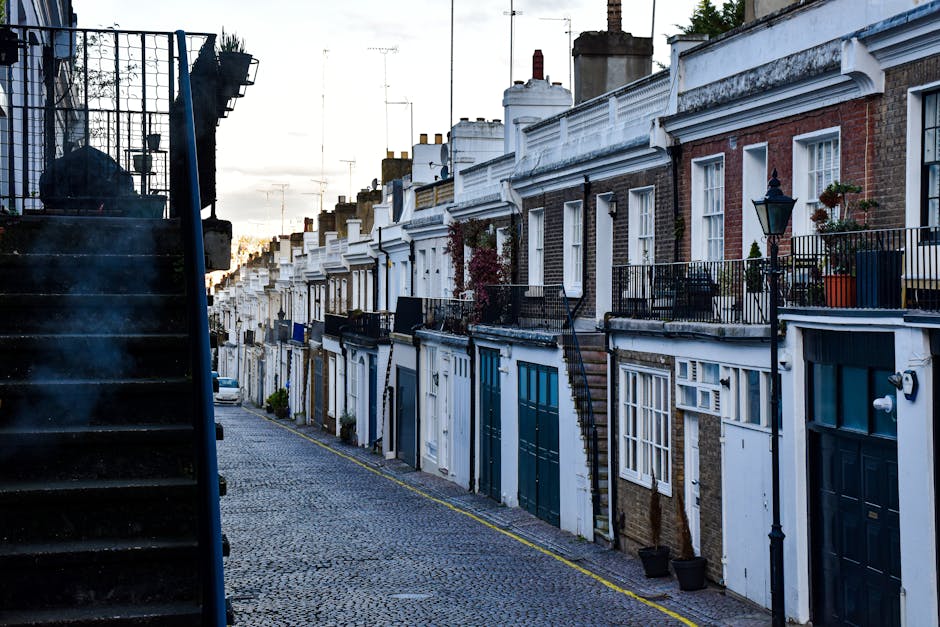
In Ealing, this matters for a few very ordinary reasons. The area has a mix of housing styles, from larger family homes to converted flats and older buildings with steeper stairs or slimmer hallways. You may also find restricted access because of permit parking, shared entrances, basement flats, or awkward loading points. None of that is unusual, but all of it affects the logistics.
Why should you care before booking? Because access issues often influence the final price, the size of team required, and the time needed on site. If nobody mentions the stairs until move day, that is when the day gets longer. And nobody wants a clock ticking while someone is trying to angle a wardrobe around a corner that seems to have been designed by a prankster.
There is also the safety side. Tight turns and steep steps increase the chance of damage to items, walls, bannisters, and toes. A good plan protects the furniture and protects the people carrying it. That is the point, really.
Expert summary: staircase and narrow-access charges are not just an extra fee; they are a way to account for real handling difficulty, extra time, and greater care needed in homes with restricted access.
For readers comparing providers, the best next step is usually to understand the access conditions first, then ask for a quote that reflects the real property layout. If you want to know more about the people behind a local service, the about us page is a sensible place to start, and the contact page makes it easier to ask specific questions before booking.
How Staircase and narrow-access charges for Ealing homes Works
These charges are usually based on the practical difficulty of moving items between the vehicle and the final location. There is no single universal formula across the industry, because the exact approach depends on the provider, the item type, and the property layout. Still, the core factors are fairly consistent.
What typically affects the charge
- Number of stairs: more flights usually mean more effort and more time.
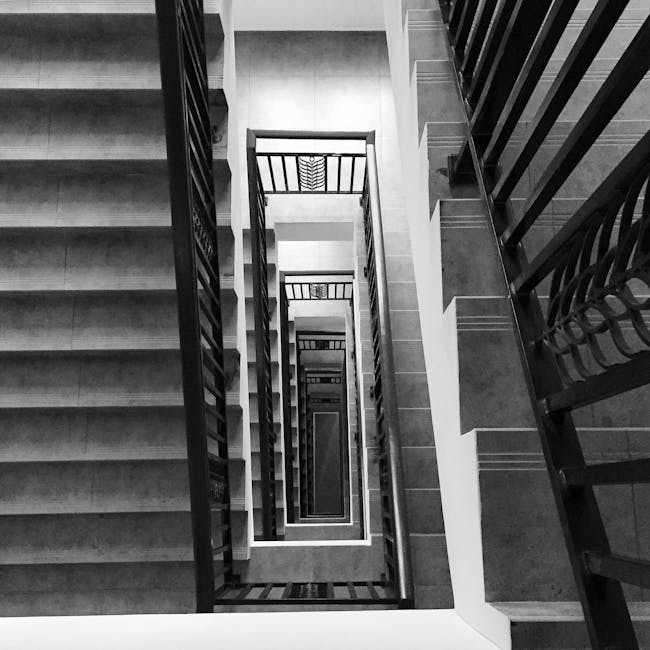
- Width of staircases and hallways: narrow routes can make carrying larger items awkward or impossible without special handling.
- Turns and landings: tight corners slow the move and increase risk of snagging.
- Car parking distance: if the vehicle cannot park close to the property, the carry distance increases.
- Property type: top-floor flats, maisonettes, basement access, or period conversions often require extra planning.
- Item size and weight: a heavy wardrobe or bed frame is not the same as a few boxes. Not even close.
- Protection requirements: extra wraps, blankets, or dismantling may be needed for safe handling.
Some providers treat difficult access as a separate line item. Others include it in a broader moving or handling assessment. In practice, you should think less about the label and more about the outcome: does the quote match the real job?
For example, two Ealing homes may be a mile apart and look similar from the outside, but one has a narrow shared staircase with sharp turns while the other has level ground-floor access. The difference in handling can be significant. That is why good quoting is site-specific rather than guesswork based on postcode alone.
Access assessment usually happens in one of three ways:
- Photo or video review: you send pictures of the entrance, stairs, hallways, and parking setup.
- Phone discussion: you describe the route, item list, and any awkward points.
- On-site check: less common for small jobs, but sometimes used for more complex moves.
A careful provider will ask practical questions. How many steps? Is there a lift? Can a van stop outside? Are there shared corridors? Can the item be dismantled? These are not being asked for fun. They are trying to avoid chaos later, which is frankly a decent habit.
Sometimes the charge is not a "penalty" at all. It may simply reflect the need for extra labour or a longer time slot. That distinction matters. A transparent fee should feel like a realistic adjustment, not a surprise sprung on you after the van has arrived.
Key Benefits and Practical Advantages
It may seem odd to talk about benefits when discussing a fee, but there are real advantages to a properly assessed access charge. Used well, it helps everyone involved.
- More accurate pricing: you avoid underquoting and then renegotiating on the doorstep.
- Better planning: the team can arrive with the right equipment and enough help.
- Reduced damage risk: there is time to protect walls, rails, and furniture properly.
- Less stress on the day: nobody enjoys improvising with a sofa in a narrow hallway.
- Faster decisions: you can choose whether to dismantle items, move them yourself, or use an alternative route.
- Fairness: those with straightforward access are not indirectly covering the extra time caused by more complex jobs.
Another practical benefit is that access charges can make a service more honest. The house that looks easy from the street may not be easy once the front door opens and the stairs begin. A charge that reflects the real job is usually better than a low headline price with lots of fine print later. Let's face it, nobody likes fine print when they are tired and carrying boxes.
For customers booking storage or collection, clarity is especially useful. If your items are headed to Ealing Self Storage, a clear access discussion helps make the whole process smoother from the start. You know what to expect, and the team can prepare accordingly. Simple, but not always simple, if you see what I mean.
Who This Is For and When It Makes Sense
Staircase and narrow-access charges are relevant to a wider group than many people realise. It is not just about large house moves. Smaller jobs can be affected too, especially when the item is awkward rather than numerous.
This is likely relevant if you are:
- moving house in a terraced or converted Ealing property
- sending furniture into storage
- clearing a flat after a tenancy ends
- removing bulky household items from an upper floor
- booking a same-day collection or delivery
- helping a relative downsize from a maisonette or older home
- managing a probate clearance where access details are not yet fully known
It also makes sense if you have items that are especially awkward to move. Think wardrobes, sofas, bed bases, dining tables, large mirrors, desks, white goods, or anything that needs to be twisted and lifted through a tight route. The item does not have to be huge to be annoying. A heavy but compact piece can be worse than something bigger but easier to grip.
Sometimes a narrow-access charge is worth paying simply because it prevents a DIY disaster. A quick example: a couple in West Ealing thought they could carry a flat-pack wardrobe up a steep staircase without issue. Halfway up, they realised the turn was tighter than expected. The result? A slightly dented wall, a strained wrist, and a new respect for measuring tape. You do not need drama like that, honestly.
On the other hand, if your access is straightforward, you may not need any additional charge at all. The point is not to assume the fee applies. The point is to assess properly, then book sensibly.
Step-by-Step Guidance
If you want to handle access charges properly, a methodical approach pays off. Here is the simplest way to think about it.
- Measure the route. Note the number of stairs, any landings, turns, and the width of the tightest points.
- Check parking and loading. Can a van stop close enough? Is there a permit, a narrow road, or a time restriction?
- List the items. Include dimensions if you have them. A rough list is fine, but be accurate about bulky furniture.
- Photograph the access. Pictures of the entrance, stairs, hallway, and any obstacles are very helpful.
- Ask about dismantling. Some items are far easier if taken apart first. A bed frame often says "thank you" for this.
- Share the details before booking. Do not wait until the morning of the move.
- Confirm whether the charge is fixed or conditional. Ask what would change the price, if anything.
- Prepare the property. Clear the route, protect delicate surfaces, and move loose items out of the way.
A small but useful habit is to walk the route yourself with a phone camera in hand. Look for low ceilings, tight corners, slippery steps, and that one awkward light fitting that seems to have been installed in exactly the wrong place. If you spot the problem early, you can usually solve it early too.
When in doubt, ask for a calm, plain-English explanation. A reputable provider should be happy to tell you why a charge applies and what it covers. If the answer feels vague, it probably is.
Expert Tips for Better Results
In practice, the best outcomes come from preparation rather than luck. Here are a few things that make a real difference.
- Share access details early. The earlier the team knows about stairs, narrow hallways, or parking restrictions, the better they can plan.
- Use photos instead of descriptions alone. "Quite narrow" means very different things to different people.
- Think about height as well as width. Low ceilings on stairwells can be just as awkward as slim corridors.
- Remove hazards first. Rugs, plant pots, shoe racks, and loose cables are small but annoying obstacles.
- Protect both sides of the move. Door frames, walls, and furniture corners all benefit from a little padding.
- Consider dismantling large items. If it can be taken apart safely, that may save time and money.
- Book a realistic time slot. Complex access takes longer than a quick lift-and-load job.
One thing people sometimes miss is how much difference a good route makes inside the home. Even a couple of extra inches of clearance can change the entire job. That is why a tape measure is your friend here. Not glamorous, I know, but neither is getting a wardrobe stuck halfway down the stairs.
Another tip: be honest about uncertainty. If you are not sure whether an item fits, say so. It is much better to admit "I think it might be tight" than to insist it will be fine and then find out it absolutely will not.
Common Mistakes to Avoid
Most access problems are avoidable if they are identified early. The trouble is, people often underestimate them. It happens all the time.
- Not mentioning stairs at all: this is the classic one. If the access is awkward, say it upfront.
- Assuming all flats are similar: they are not. A second-floor conversion and a purpose-built block can be very different.
- Ignoring parking restrictions: if the vehicle cannot stop nearby, everything takes longer.
- Forgetting about shared spaces: communal hallways and stairwells may need extra care.
- Overlooking item dimensions: a room is not the same as a route. A sofa may fit in the lounge but not around the landing.
- Leaving preparation to the last minute: small delays become bigger delays once the team arrives.
- Choosing price over clarity: the cheapest quote is not always the cheapest job.
Another mistake is treating a narrow-access charge as unreasonable without checking what it actually covers. If a provider is sending extra help, allowing more time, or using special handling methods, the fee may be a fair reflection of the work involved. Of course, it should still be explained clearly. Fair is fair.
One more thing: do not hide building quirks. That creaky rear access, the broken latch, the steep cellar steps, the awkward external alley - these details matter. A lot. They can change the whole plan.
Tools, Resources and Recommendations
You do not need specialist equipment to prepare well, but a few basic tools make the process easier.
| Tool or resource | Why it helps | Best use |
|---|---|---|
| Tape measure | Checks stair width, doorway clearance, and furniture dimensions | Before booking and before moving day |
| Phone camera | Provides a visual record of access issues | Share photos of stairs, parking, and entrances |
| Furniture blankets | Helps protect items and surfaces | For fragile corners, bannisters, and doorframes |
| Basic screwdriver or allen key set | Useful for simple dismantling | Taking apart beds, tables, or shelving |
| Labels and markers | Keeps boxes organised during a complicated move | Sorting by room or priority |
For planning and communication, your most useful "resource" is actually a clear message. A short note with photos, access details, item list, and any concerns is often better than a long verbal explanation that drifts off halfway through. People are busy. Keep it neat.
If you want to get in touch about a specific access question, the contact page is the direct route. And if you want to understand how the business handles personal information while you are sending photos or details, the privacy policy is worth a quick look. That kind of transparency matters more than people admit.
Law, Compliance, Standards, or Best Practice
This topic is more about operational best practice than formal law for most customers. Still, there are some sensible standards that reputable providers tend to follow.
First, access-related charges should be communicated clearly before work begins whenever possible. That is basic good practice. The customer should know what the fee is for, whether it is fixed or conditional, and what circumstances might alter it. If the quote is vague, ask for a breakdown in plain English.
Second, teams should work safely. Narrow stairs, poor lighting, wet steps, and oversized loads create manual handling risks. Good practice usually means using enough people, planning the route, and not forcing furniture through spaces where it clearly does not fit. Common sense, really, but common sense is not always as common as we like.
Third, damage prevention should be built into the job. That may include floor protection, corner protection, careful lifting, and sensible item preparation. Customers should also take reasonable steps to clear the access route.
Finally, any terms and conditions should be read carefully if you are booking a service that may involve staircase or narrow-access charges. In particular, look for how the provider defines difficult access, whether any minimum charges apply, and what happens if the actual access differs from the description. The terms and conditions page is the right place to review that sort of detail before you confirm anything.
For anything borderline - a very awkward staircase, particularly heavy items, or access that changes on the day - the safest approach is to flag it early and ask for written confirmation of the plan. That small step can save a lot of stress later.
Options, Methods, or Comparison Table
There are usually a few ways to manage difficult access. The right choice depends on your items, time pressure, and budget. Here is a simple comparison to help you think it through.
| Option | Best for | Pros | Trade-offs |
|---|---|---|---|
| Pay the access charge | When stairs or narrow routes are unavoidable | Simple, efficient, less stress | Higher overall cost |
| Dismantle larger items | Bed frames, wardrobes, tables | May reduce difficulty and risk | Takes time; not everything can be dismantled safely |
| Use smaller loads | Busy staircases or very tight corridors | Easier handling, lower damage risk | May require more trips |
| Rearrange parking/loading | Where access is limited by the street | Can reduce carry distance | Not always possible in Ealing streets |
| Move items in stages | Large clear-outs or flat clearance jobs | More controlled, less rushed | Needs extra coordination |
There is no perfect option for every home. Sometimes paying the fee is the most efficient choice by far. Sometimes dismantling a few items makes the job much cheaper. And sometimes the real answer is simply to plan better and accept that a narrow Victorian staircase is, well, a narrow Victorian staircase.
Case Study or Real-World Example
Here is a realistic example based on the kind of access challenge that comes up often in Ealing. A customer in a converted upper-floor flat needed to move a double bed, a wardrobe, and several boxes into storage. The property had a shared entrance, one narrow internal staircase, and limited parking on the road outside. At first glance, it sounded manageable. In practice, the wardrobe was the sticking point.
After a quick photo review, it became clear that the wardrobe would not safely turn the landing unless it was dismantled. The customer took it apart the day before, labelled the parts, and cleared the hallway in advance. The team then had a much easier job, and the access charge was lower than it would have been if the item had been left intact.
What made the difference? A few simple things: early communication, accurate photos, and a willingness to adapt. There was no heroics involved. No drama. Just a practical approach that saved time and reduced the chance of damage.
That is often how these jobs go. The people who prepare early tend to have the smoothest day, and honestly, there is something pleasantly boring about a move that runs to plan. Boring is good here.
Practical Checklist
Use this checklist before you book or confirm access-related work for an Ealing home.
- Measure the stair width and any tight corners.
- Count the number of flights and note all landings.
- Check whether the vehicle can park close to the property.
- Take clear photos of the route from entrance to final room.
- List bulky items and note if they can be dismantled.
- Confirm whether there is a lift, and whether it is usable for your items.
- Clear shoes, rugs, storage baskets, and other obstacles from the route.
- Protect walls, bannisters, and floors where needed.
- Ask for the access charge in writing if it applies.
- Review the provider's terms before you commit.
- Keep contact details handy on the day in case anything changes.
If you can tick most of those off, you are already ahead of the curve. Really, you are. A little preparation takes far less energy than fixing a rushed move later.
Get a free quote today and see how much you can save.
Conclusion
Staircase and narrow-access charges for Ealing homes are not just a pricing detail. They are a reflection of how real homes work in the real world: stairs are steep, entrances are tight, parking is awkward, and furniture is rarely as cooperative as it should be. Once you understand what affects the charge, you can plan better, compare quotes more fairly, and avoid the stress that comes from surprises on move day.
The best approach is straightforward. Measure the access, share photos early, be honest about awkward points, and ask clear questions before confirming anything. That way, you are not just hoping for the best. You are setting the job up to succeed.
If you are in the middle of a move, a clearance, or a storage booking, take a breath and work through the route one step at a time. The stairs will still be there, of course, but the plan will be much better. And that makes all the difference.
Frequently Asked Questions
What are staircase and narrow-access charges?
They are additional charges that may apply when a property has stairs, tight hallways, limited parking, or other access issues that make moving items slower or more difficult. The fee usually reflects extra labour, time, or handling care.
Why do Ealing homes often need access charges?
Ealing has many period houses, converted flats, and properties with shared entrances or narrow staircases. Some streets also make parking and loading more difficult, so access can affect the job more than people expect.
Can I avoid a narrow-access charge?
Sometimes, yes. If the issue is mild, you may reduce or avoid the charge by dismantling furniture, clearing routes, or improving parking access. But if the access really is difficult, the charge may still be necessary.
How do providers usually assess access?
Many ask for photos, a phone description, or both. For more complex jobs, they may want a closer look at the staircase, the entrance, and the parking situation before confirming the price.
Do all companies charge the same way?
No. Some include access complexity in the main quote, while others list it separately. The wording may differ, but the practical factors are usually similar: stairs, distance, turning space, and item size.
What kind of items are hardest to move up stairs?
Large wardrobes, sofas, mattresses, bed frames, glass items, and heavy desks are common examples. Anything bulky, awkwardly shaped, or fragile can become tricky very quickly on a narrow staircase.
Should I measure the staircase myself?
Yes, if you can. Even rough measurements help. Stair width, landing space, and door clearance are especially useful because they show whether items can turn safely.
What if parking is the main problem, not the stairs?
That can still count as narrow or difficult access. If the vehicle has to park far away, the carry distance increases and the job takes longer. It is worth mentioning as early as possible.
Are access charges the same as damage fees?
No. Access charges relate to difficulty getting to or from the property. Damage fees are separate and usually only apply if there is actual harm caused during the job. The two should not be mixed up.
Can I get a quote without sending photos?
Sometimes yes, but photos usually lead to a more accurate quote. Without them, there is a greater chance of estimates being revised later if the access turns out to be more difficult than described.
What should I ask before booking?
Ask how access is priced, what information they need from you, whether the quote is fixed, and what could change the cost. It is also sensible to ask whether dismantling items would reduce difficulty.
Where can I check company policies before confirming?
Look at the provider's terms and conditions, and if you are sharing access details or personal information, review the privacy policy too. Those pages help you understand how the service is run and what to expect.