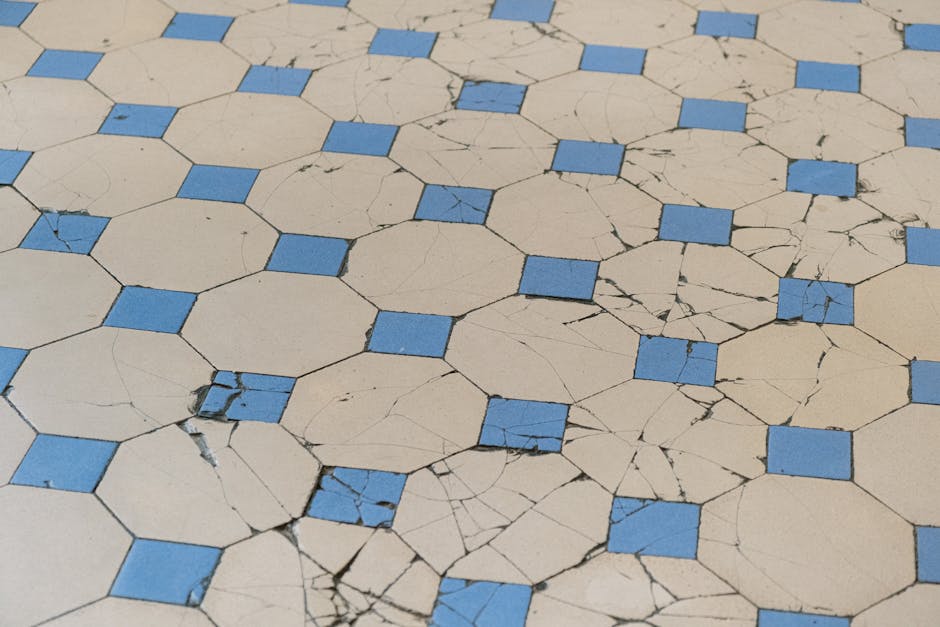
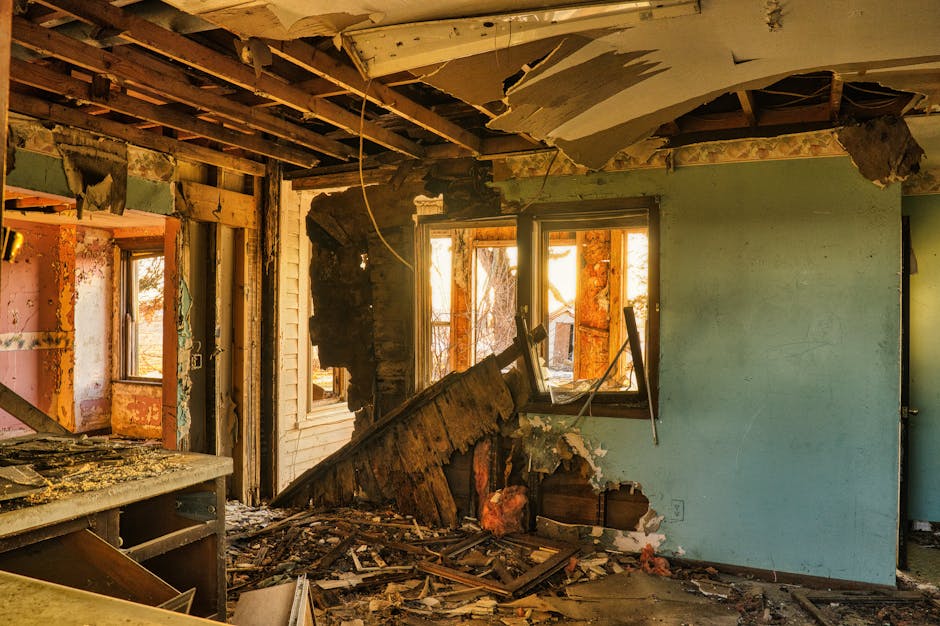
Damaged floors or walls during a move? Ealing claims: what to do next, how to prove it, and how to protect your position
If you have just noticed a dented wall, a scratched hallway, or a gouge in a floor after moving day, you are probably dealing with a mix of frustration and practical questions. Who caused it? Was it already there? Can you make a claim, and if so, what evidence matters? This guide on Damaged floors or walls during a move? Ealing claims walks you through the process in plain English, with a focus on what people in Ealing usually need to do first, what to record, and how to keep the situation calm and organised.
Truth be told, damage disputes are rarely about one dramatic event. More often, they are about small details: a scuffed skirting board, a marked plaster corner, a pinched carpet edge, or a smashed wall where a sofa turned too tightly in a narrow stairwell. The good news is that most situations can be handled sensibly if you act quickly and keep a clear record.
In this article, you will learn how claims typically work, what evidence is useful, when liability may sit with a mover or landlord, and how to avoid the common mistakes that weaken a claim. If you are still planning a move, it also helps to look at services such as home moves, house removalists, or a flexible man and van service to reduce handling risks in the first place.
Table of Contents
- Why damaged floors or walls during a move matters
- How Ealing claims usually work
- Key benefits and practical advantages
- Who this is for and when it makes sense
- Step-by-step guidance
- Expert tips for better results
- Common mistakes to avoid
- Tools, resources and recommendations
- Law, compliance, standards, and best practice
- Options, methods, and comparison table
- Case study or real-world example
- Practical checklist
- Conclusion
- Frequently asked questions
Why Damaged floors or walls during a move? Ealing claims Matters
Damage during a move is not just a cosmetic issue. In a rental property, it can affect deposit deductions. In a leasehold flat, it can trigger awkward conversations with building management. In a family home, it can mean repair costs, delays, and a lot of avoidable stress. A mark on a wall can look minor in the moment, but once the boxes are gone and the light hits it properly, the story changes. Funny how that happens.
For people moving in and around Ealing, the practical side matters too. Streets can be tight, parking can be awkward, and stairwells in older buildings are not always forgiving. A sofa can scrape a wall on the turn, a washing machine can catch the door frame, or a wardrobe can leave pressure marks on a floor. When damage happens, the strength of your claim usually depends on what you can prove, not what feels obvious.
This is why a calm, evidence-led approach matters. It helps you avoid overreacting, but it also stops you from shrugging it off and paying for something you did not cause. That balance is the whole game.
There is another reason it matters: moving teams, landlords, tenants, and homeowners often remember things differently. One person says the wall was already marked. Another says the floor was perfect before furniture was moved. Without photos, timestamps, and clear written notes, a disagreement can drag on for weeks. Nobody wants that, especially when you are trying to settle in and unpack the kettle first.
How Damaged floors or walls during a move? Ealing claims Works
Most claims follow a similar pattern. First, the damage is noticed during or shortly after the move. Then the issue is reported to the relevant party, which might be the removals firm, a landlord, an agent, a building manager, or an insurer. After that comes the evidence review: photos, inventory notes, pre-move condition reports, and any written communication from the day.
In a straightforward case, the key question is whether the damage happened as part of the move and whether responsibility can be linked to a person, vehicle, item, or action. For example, if a heavy chest of drawers is dragged across a wooden floor and leaves a long scratch, that is very different from a tiny scuff on a hallway wall that might have been there already. Context matters, a lot.
Claims can also involve different types of responsibility. Sometimes the moving company accepts fault. Sometimes they deny it. Sometimes the issue is about normal wear and tear rather than avoidable damage. And sometimes the evidence simply is not strong enough to push things one way or another. Let's face it, that can be annoying, but it is better to know early than to build a case on guesswork.
If you are using a more hands-on moving setup, such as man with van, moving truck, or removal truck hire, it becomes even more important to agree who is handling what, where fragile items are placed, and how floors and walls are protected before lifting starts. A few minutes of preparation can save a very expensive headache later.
One thing people often miss: if damage is discovered after the move, the claim is still possible, but your evidence needs to bridge the gap between "it was fine before" and "it was damaged after." That is where pre-move photos, a quick walkthrough, and written notes become extremely useful. Not glamorous. Very useful.
Key Benefits and Practical Advantages
Having a proper approach to damage claims does more than recover costs. It gives you control at a time when everything else feels slightly chaotic. A move already involves packing, scheduling, parking, keys, cleaning, and about six different people asking where the tape is. A structured claim process is one less thing spinning in the background.
- Clearer responsibility: You can separate genuine moving damage from pre-existing wear.
- Better evidence: Photos, checklists, and written notes help you explain what happened.
- Faster resolution: The right paperwork often speeds up responses.
- Less stress: A calm process is easier than a back-and-forth based on memory alone.
- Stronger negotiation position: Good records make it harder for a claim to be dismissed casually.
There is also a practical benefit for people planning a move rather than reacting to a problem. Choosing the right service level can reduce the risk of damage from the start. For example, packing and unpacking services can help keep items secure and better organised, while commercial moves and office relocation services often need extra care around floors, lifts, and shared access routes. Different move, different risks.
For homeowners and tenants alike, the biggest advantage is simple: when damage happens, you are not left improvising. You already know what to do, who to speak to, and what evidence to gather. That alone can make the whole thing feel a bit less grim.
Who This Is For and When It Makes Sense
This topic matters if you are a tenant, landlord, homeowner, flat sharer, property manager, mover, or even a business owner relocating premises. In Ealing, that can mean a small maisonette off a busy road, a top-floor flat with narrow stairs, or a commercial space with shared corridors and lift access. Different setting, same issue: floors and walls take a beating when bulky furniture moves through tight spaces.
It makes sense to think about claims in these situations:
- You notice new marks, chips, dents, or scratches after moving.
- A mover admits an item slipped, scraped, or collided with a surface.
- A landlord or managing agent points to damage during check-out.
- You are moving items yourself and want to understand liability before the fact.
- You need to decide whether to repair, claim, or dispute a deduction.
If you are arranging a smaller move, a furniture pick-up or a lighter man and van job may sound simple, but even a single piece of furniture can damage painted walls, stair rails, laminate, or carpet edges. Big job, small job - the risks do not disappear just because the van is smaller.
It also makes sense when you are coordinating family schedules, neighbours, or building access. A rushed move tends to create more mishaps. So if you already know there is a tight doorway, a polished floor, or a fragile stairwell finish, plan for protection before the first item is lifted.
Step-by-Step Guidance
If damage appears during or after a move, use this order. It is simple, but it works.
- Stop and inspect the damage carefully. Do not rush to repair it straight away unless there is a safety issue.
- Take clear photos and short videos. Capture close-ups and wider shots so the location is obvious.
- Note the time, room, and item involved. Write down what was being moved and who was present.
- Compare with pre-move evidence. Look for inventory photos, check-in reports, or old messages showing prior condition.
- Report the issue promptly. Use polite, plain language and keep the message factual.
- Request a response in writing. Ask whether the other party accepts responsibility or wants more evidence.
- Get a repair view. If possible, obtain a realistic repair estimate or maintenance opinion.
- Keep all records together. Store emails, photos, and notes in one place so nothing goes missing.
A small but important detail: if you can, photograph the room before anything is moved in. Even three or four quick pictures of the walls, floors, corners, and skirting boards are better than nothing. You do not need a cinematic tour. Just enough to show condition.
If the move is complex or business-critical, consider using properly managed support such as house removalists or a coordinated moving truck arrangement. The point is not to make the move fancy. It is to reduce avoidable risk and keep everyone aligned.
And one more thing: do not assume silence means acceptance. Sometimes people simply have not replied yet, or they are checking details internally. Give them a fair chance, but stay organised.
Expert Tips for Better Results
Over the years, one pattern stands out: the best claims are the ones built before the damage argument begins. That may sound obvious, but people usually think about it too late. Here are the habits that make the biggest difference.
- Use before-and-after photos. They are boring to take and brilliant to have.
- Walk through the property at the start and end. A quick check can catch problems while everyone is still on site.
- Protect floors and edges early. Blankets, runners, corner guards, and careful lifting reduce risk.
- Label heavy or awkward items. That helps the team plan movement through narrow spaces.
- Keep communication calm. Angry messages often slow things down.
- Separate wear and tear from accidental damage. They are not the same thing, even if both are annoying.
In practical terms, a smooth move often comes down to route planning. Which hallway will the sofa use? Is the fridge going around the corner or through the patio door? Is the lift large enough, or should you use stairs? These questions sound basic, but they are exactly where scraped walls and scuffed floors tend to happen.
If you are booking a vehicle, think about whether removal truck hire or a smaller service is better for your access conditions. Bigger is not always safer. Sometimes a smaller, better-managed load causes fewer contact points and less movement inside the vehicle. Strange, but true.
Also, keep a little slack in the schedule. A move done in a rush is where people start nudging furniture through tight gaps with that slightly desperate energy. You know the feeling. That is when walls suffer.
Common Mistakes to Avoid
People usually do not lose claims because the damage is fake. They lose them because the record is weak or the process is messy. The following mistakes come up a lot.
- Waiting too long to report the damage. Delays create doubt.
- Relying only on memory. Memory gets fuzzy very quickly on moving day.
- Repairing before documenting. Once the evidence is gone, the conversation gets harder.
- Using vague wording. "It was damaged" is weaker than "a 20cm scrape on the lounge wall near the doorway."
- Mixing multiple issues together. Keep each wall, floor, and item separate where possible.
- Assuming every mark is compensable. Some damage may be minor wear and tear, not claimable loss.
Another common error is forgetting the wider moving context. A chipped plaster corner in a very old building may be hard to assess without showing what changed during the move. Likewise, a dark scuff on a timber floor may be caused by shoe rub, a dolly, a box edge, or something else entirely. The evidence needs to tell the story, not just the complaint.
And yes, I have seen people send a claim with one blurry photo taken in bad lighting. Not ideal. Not even close.
Tools, Resources and Recommendations
You do not need a lot of equipment, but the right small tools help a lot. Before moving day, it is worth having the following nearby:
- a phone with a decent camera;
- masking tape or labels for noting damaged areas;
- a notebook or notes app for timing and observations;
- measuring tape for showing scale in photos;
- corner protectors, blankets, and floor runners;
- basic cleaning materials, in case you need to inspect a mark properly;
- email access so written records are easy to send and save.
For move planning, services like packing and unpacking services can make fragile items less likely to shift badly, while a well-organised home moves setup can reduce the number of times furniture needs to be lifted, turned, or dragged. Fewer handling steps usually means less risk.
Also, keep a simple file of pre-move and post-move evidence. Name photos clearly if you can. Even something as basic as "hallway wall before move" and "same wall after move" helps when the memory of the day starts blurring together. It all sounds terribly dull, but it pays off.
Law, Compliance, Standards, and Best Practice
Any moving-related claim should be handled carefully and in line with the relevant contract, property conditions, and ordinary UK expectations around fair dealing. The exact legal position depends on the facts, the agreement in place, and whether the issue concerns a tenant, landlord, mover, or insurer. Because of that, it is wise to avoid guessing.
As a practical matter, the following best-practice principles usually apply:
- Act promptly: report damage soon after discovery.
- Keep evidence: retain photos, inventories, messages, and estimates.
- Be specific: identify the exact location and type of damage.
- Separate factual reporting from opinion: state what you saw, then explain why you think the move caused it.
- Follow the agreed process: check any move contract or property handover terms before escalating.
In shared buildings, you may also need to respect access rules, lift booking procedures, and protection requirements for common areas. That is especially relevant when using larger vehicles or moving equipment in busy blocks. A careful team will usually plan around these conditions rather than winging it.
If in doubt, keep the discussion factual and avoid making legal assumptions too quickly. A lot of claims turn on ordinary evidence, not dramatic arguments. And yes, that can feel slow. But slow is often better than wrong.
Options, Methods, and Comparison Table
Not every move needs the same level of support. The right method depends on property type, item size, access, and how much risk you are willing to take on. Here is a simple comparison.
| Method | Best for | Damage risk | Typical advantage | Watch out for |
|---|---|---|---|---|
| DIY move | Small, simple moves with few heavy items | Medium to high | Lower upfront cost | Less experience with protection and handling |
| Man and van | Smaller home moves and single-item transport | Medium | Flexible and practical | Still needs careful loading and route planning |
| Removal truck hire | Larger loads and more organised relocations | Lower if managed well | Better capacity and control | Needs good packing and access planning |
| Professional removals | Full household or business moves | Often lower | Structured handling and coordination | Must still document condition and responsibilities |
The table is not about finding the "best" option in the abstract. It is about matching the method to the property and the risks. A narrow stairwell in Ealing is not the place to pretend every move is the same. It just isn't.
Case Study or Real-World Example
Imagine a family moving out of a first-floor flat in Ealing. They use a team for the heavy furniture, and everything seems fine until the sofa is turned through the hallway. Later that evening, they notice a fresh scrape on the painted wall and a scuffed section of wood flooring near the door. The damage is small enough to miss at first glance, but obvious once the daylight comes in the next morning.
What makes the difference in this scenario is the record. The family had taken photos of the hallway before the move, including the wall by the door frame and the floorboards near the corner. They also noted the exact time the sofa was moved and which item was involved. That meant they could show the mark was new, narrow down when it happened, and explain the likely contact point without turning it into a guessing game.
Because the evidence was tidy, the discussion stayed focused. There was no shouting, no endless "yes, but" exchanges, just a straightforward review of what happened and how it should be handled. Not every case ends neatly, of course, but this is the sort of process that gives you a real chance of a fair outcome.
If the same move had been done in a rush, with no pre-move photos and no note of the hallway condition, the story would have been much harder to prove. A tiny bit of prep, honestly, makes a huge difference.
Practical Checklist
Use this checklist before, during, and after the move if you want to stay on top of any possible damage claim.
- Take clear photos of floors, walls, corners, skirting, and door frames before moving starts.
- Note any existing chips, scuffs, stains, or wear in writing.
- Protect entrances, stairwells, and flooring with blankets, runners, or corner guards.
- Agree who is handling each large item and which route it will take.
- Keep access areas clear so furniture is not forced into tight turns.
- Inspect the property again as soon as the move ends.
- Photograph any new damage immediately and from several angles.
- Write down the time, room, and item involved.
- Report the issue promptly and keep communication in writing.
- Store all evidence in one folder so nothing gets lost later.
That checklist is simple, yes. But simple is often what works best when you are tired, carrying boxes, and trying to remember which room the charger went into.
Get a free quote today and see how much you can save.
Conclusion
Damaged floors or walls during a move can feel like a small disaster, especially when you are already worn out from lifting, waiting, and juggling the rest of life. The good news is that a clear process helps. Document the damage, compare it to pre-move condition, report it quickly, and keep the tone factual. That is usually the most reliable way to handle Damaged floors or walls during a move? Ealing claims without turning a practical issue into a bigger one.
If you are still planning a move, the best time to protect yourself is before the first box moves. Good packing, sensible route planning, and the right moving support can reduce the chance of wall and floor damage in the first place. And if damage has already happened, you are not stuck. With the right evidence and a steady approach, you can deal with it properly and move on with less stress.
In the end, the goal is not just a claim. It is peace of mind. That matters more than people think.
Frequently Asked Questions
What counts as damage to floors or walls during a move?
Typical examples include fresh scratches, dents, gouges, chipped plaster, torn wallpaper, scuffed paint, crushed carpet edges, and impact marks on skirting boards or door frames. Wear and tear is different, so the condition before the move matters a lot.
Can I make a claim if I notice the damage after moving day?
Yes, you often can, provided you can show the damage was not there before and is likely linked to the move. Photos, inventory records, and written notes are especially helpful in these cases.
Who is usually responsible for damage during a move?
That depends on the facts. Responsibility may sit with the moving team, a tenant, a homeowner, a contractor, or another party involved in handling the item. The agreement and the evidence are what matter most.
What evidence should I gather first?
Start with clear photos or video, ideally showing the wider room and the close-up mark. Then note the time, room, item moved, and the names of anyone who saw what happened.
Should I repair the damage before making a claim?
Usually, no. If the damage is not urgent or unsafe, document it first. Once repairs are done, it becomes harder to prove what happened and how serious it was.
Does moving insurance cover wall or floor damage?
It might, but cover depends on the policy, exclusions, and the circumstances of the damage. You should check the wording carefully and avoid assuming every mark is automatically covered.
How quickly should I report damage?
As soon as reasonably possible. Prompt reporting usually strengthens the claim because it reduces doubt about when the damage occurred.
What if the damage might already have been there?
Then compare your evidence carefully. Pre-move photos, check-in reports, or messages about the room condition can help show whether the mark is new or pre-existing.
Is a small scuff worth claiming for?
Sometimes yes, sometimes no. It depends on the repair cost, the evidence, and the overall situation. A small visible mark in the wrong place can still matter, especially in a rental or shared building.
How can I reduce the risk of floor and wall damage on moving day?
Use proper packing, protect surfaces, plan the route, lift rather than drag where possible, and avoid rushing. A good moving setup, such as packing and unpacking services or a well-managed man and van, can also help.
What if the other party denies responsibility?
Stay calm and return to the evidence. Send clear photos, explain the timeline, and ask for their response in writing. If the matter is still disputed, your records will be the thing that carries the conversation.
Can commercial moves also cause wall and floor damage?
Absolutely. Offices, shops, and storage rooms often involve heavy desks, filing units, monitors, and frequent corridor traffic. For that reason, commercial moves and office relocation services need just as much care as domestic moves, sometimes more.
When should I ask for professional help?
If the move is large, the access is tight, the furniture is valuable, or the damage issue is already disputed, professional help is worth considering. A proper moving setup can make the whole thing far less stressful, and that is no bad thing.
If you want to understand your options for a move in Ealing, you can also learn more about the team behind the service on the about us page or get in touch through the contact page. Before booking anything, it is also sensible to read the terms and conditions and privacy policy so you know how your information and booking details are handled.